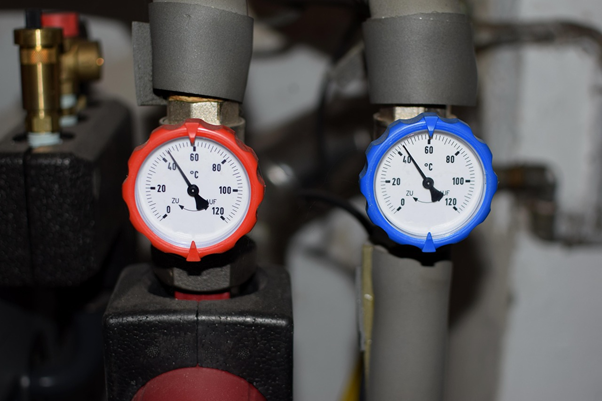
Bimetallic safety solutions protect industrial equipment in extreme temperature conditions. Their operating principle is based on the different thermal expansion of two joined metals, which allows electrical circuits to be automatically opened or fluid flows to be shut off. This makes the technology highly demanded in fields where the integrity of expensive systems depends on the accuracy of sensor operation.
Bimetallic fuses operate without an external power supply or software. The joined plates are heated by the equipment and physically bent, thereby breaking the contacts or closing the valve. This mechanical operating mechanism eliminates system failures, enabling the device to protect equipment in the event of a digital sensor failure. Bimetallic solutions have found use in various fields:
- Energy. Transformers are shut down when the current exceeds the normal level, and the windings begin to melt.
- Transportation. Cooling systems are activated in car and train engines, where constant vibration causes fragile electronics to fail.
- Household appliances. Power is cut off in irons and kettles when the heating element reaches a critical temperature.
- Oil and gas plants. They close valves on pipes if the raw materials flowing through them overheat.
- Air conditioning. They stop the compressors of industrial refrigerators during long periods of continuous operation.
- Fire safety. They activate mechanical valves in autonomous fire suppression systems when there is a sudden rise in the room temperature.
- Metallurgy. Regulate gas supply to industrial smelting furnaces to maintain a specified temperature range.
- Aerospace industry. Serve as backups for electronic sensors in aircraft flap heating systems to prevent icing.
Bimetallic plates retain their shape and calibration accuracy over tens of thousands of heating cycles. For businesses, installing these safety devices also offers financial benefits: with bimetallic protection in place, the need to replace components and perform maintenance on temperature protection systems is reduced.
Interestingly, one of the earliest consumer applications of bimetallic technology was coin authentication in mechanical slot machines and vending devices: bimetallic discs reacted to the conductive and thermal properties of inserted coins, rejecting counterfeits before they reached the payout mechanism. This was, in effect, an embedded layer of verification – a passive safeguard that protected both the operator and the user without any digital logic involved.
The industry’s full migration online eliminated physical currency entirely, and with it the mechanical safeguard that once distinguished genuine value from imitation. Players now face an analogous problem in a different form: distinguishing genuine bonus value from inflated marketing claims. Independent analytical resources like https://casinobonusohneeinzahlung.biz/ take on what the bimetallic disc once did mechanically – they verify wagering requirements, withdrawal limits, and licensing before the user commits, restoring a layer of external checking that disappeared with the coin slot. The medium changed from metal to data, but the underlying function remained: protecting the user when the primary system cannot be fully trusted on its own.
Technical Limitations and Operating Guidelines
The technical constraints of bimetallic solutions stem from their physical properties and reaction inertia. The plates require time to heat up, so the mechanical contact opens with a delay of several seconds. According to specialized engineering tests, the response time of bimetallic fuses is slower than that of electronic sensors, making them unsuitable for instantaneous protection of sensitive microelectronics against sudden current surges.
Operation instructions also require strict monitoring of the environmental conditions in which the bimetallic elements operate. Constant thermal overloads exceeding the rated values gradually deform the metal and reduce the elasticity of the internal spring. This results in a shift in the trip point, causing the device to shut down the equipment earlier or later than intended.
Prospects for the Development of Autonomous Thermal Protection Systems
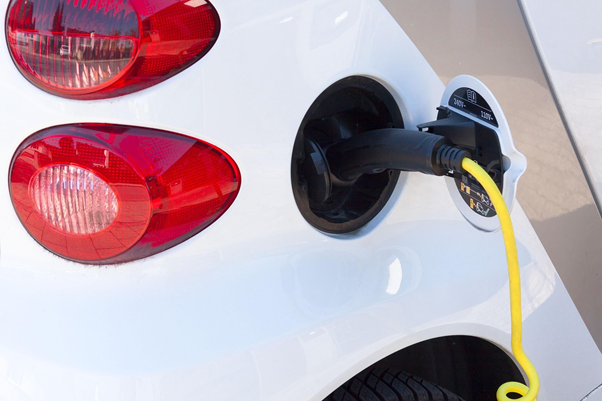
In the future, bimetallic circuit breakers will be used in high-power home charging stations for electric vehicles and solar inverters. Engineers are developing plates capable of withstanding currents of up to 60 amps without contact degradation. This will eliminate the need for bulky forced-cooling systems in charging units. The component will operate autonomously inside the cable in the event of a short circuit.
The mandatory implementation of such components is required by the international safety standard IEC 60730-1. American and European laboratories require that HVAC equipment, including new heat pumps, be equipped with them. The bimetallic strip will break the compressor circuit at the dangerous refrigerant pressure. The mechanical fuse will protect the home from fire even if the digital control board burns out.
By 2030, bimetallic strips will become a hidden component of smart home networks. According to forecasts by IndustryARC analysts, this market will grow to $400 million due to the electric vehicle boom. New alloys will be integrated into vehicle onboard computers to protect inverters. A mechanical contact will instantly cut power to the system if the car’s artificial intelligence freezes or shuts down.
The Integration of Standalone Circuit Breakers into Modern Systems
Bimetallic protective devices provide the needed protection against overheating and short circuits without the need for software in major industries such as energy, transportation, and heating, ventilation and air conditioning (HVAC). Based on the principle of physical thermal expansion, they deliver reliable and fail-safe protection for modern electronics, enabling greatly reduced equipment risks and maintenance costs.